


SEWER CAMERA INSPECTION
Sewer line problems are often hidden underground, but in Hampton Roads, where older infrastructure, high water tables, and clay soils are common, hidden plumbing issues can quickly become expensive repairs. Whether you live in Virginia Beach, Norfolk, Chesapeake, or surrounding areas, a professional home inspection service that includes sewer evaluation can help protect your investment before a small issue becomes a major disruption.
For buyers who want to understand how sewer inspections fit into the overall property evaluation process, our ultimate guide to home inspections for Hampton Roads homebuyers explains what to expect during a full inspection.


What Is a Sewer Camera Inspection?
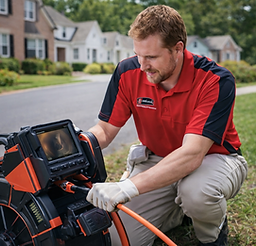
A sewer camera inspection is a non-invasive evaluation of your home’s main sewer line using a high-resolution waterproof camera inserted into the pipe.
The live video feed allows the inspector to identify:
-
Cracks or fractures
-
Root intrusion
-
Corrosion
-
Pipe separation
-
Blockages or sagging sections
This eliminates guesswork and avoids unnecessary digging.
Why Sewer Inspections Matter in Hampton Roads
Homes in Virginia Beach, Norfolk, Chesapeake, Portsmouth, Suffolk, Hampton, and Newport News often face:
-
Clay-heavy soils that shift and stress pipes
-
High rainfall and saturated ground conditions
-
Mature trees causing root intrusion
-
Older cast iron or clay sewer lines prone to deterioration
Without inspection, sewer issues may go unnoticed until backups or odors occur.
Our Procedure
The Safe House sewer inspection process is thorough, efficient, and designed to provide clear documentation of your sewer line’s condition.
First, the inspector locates an accessible cleanout or appropriate entry point. A professional-grade sewer camera is then carefully inserted into the main drain line. As the camera travels through the pipe, real-time video footage is monitored to identify any visible defects.
The inspector evaluates:
-
Cracks or fractures in the pipe
-
Root intrusion
-
Pipe belly or sagging sections
-
Offset joints
-
Corrosion or scaling
-
Blockages or debris buildup
In many cases, the camera head includes a locator transmitter, allowing the inspector to determine the exact location and depth of any defect from above ground. This precision minimizes unnecessary digging and helps contractors target repairs accurately.
At the conclusion of the inspection, clients receive a detailed summary of findings along with video documentation when available. If additional structural concerns are suspected, a foundation inspection may also be recommended, particularly in areas where soil movement contributes to underground pipe stress.
Common Problems Do We Find in Hampton Roads Sewer Lines
The most common sewer line problems in Hampton Roads include root intrusion, pipe corrosion, cracks from soil movement, and sagging sections caused by shifting ground.
-
Tree Root Intrusion
Mature trees in established neighborhoods often send roots into small pipe joints or cracks. Once inside, roots expand and trap debris, eventually causing blockages. -
Corroded Cast Iron Pipes
Many older homes in Norfolk and Portsmouth still rely on cast iron sewer lines. Over time, moisture and coastal conditions accelerate corrosion, leading to flaking, scaling, and eventual failure. -
Clay Pipe Separation
Older clay pipes can shift due to soil expansion and contraction, particularly in Chesapeake’s clay-rich areas. This movement creates gaps that allow groundwater infiltration. -
Pipe Belly or Sagging Sections
A pipe belly occurs when a section of pipe sinks due to unstable soil. Standing wastewater collects in the low point, leading to recurring clogs. -
Cracks From Ground Movement
Hampton Roads’ fluctuating moisture levels and high water tables contribute to soil shifting. This movement places stress on underground piping systems.
Early detection through sewer camera technology helps prevent sewage backups, property damage, and costly emergency repairs.
Frequently Asked Questions
How long does it take?
Usually about one hour.
Is it necessary for newer homes?
Yes. Even new construction can have installation defects or settlement issues.
Can tree roots damage sewer lines?
Yes — root intrusion is one of the most common problems in Hampton Roads.
What are warning signs?
Slow drains, gurgling sounds, sewage odors, or recurring backups.
Does insurance cover repairs?
It depends on your policy. Many do not cover gradual deterioration, making preventative inspection valuable.
A sewer camera inspection provides peace of mind and protects your investment before small issues become major disruptions.