
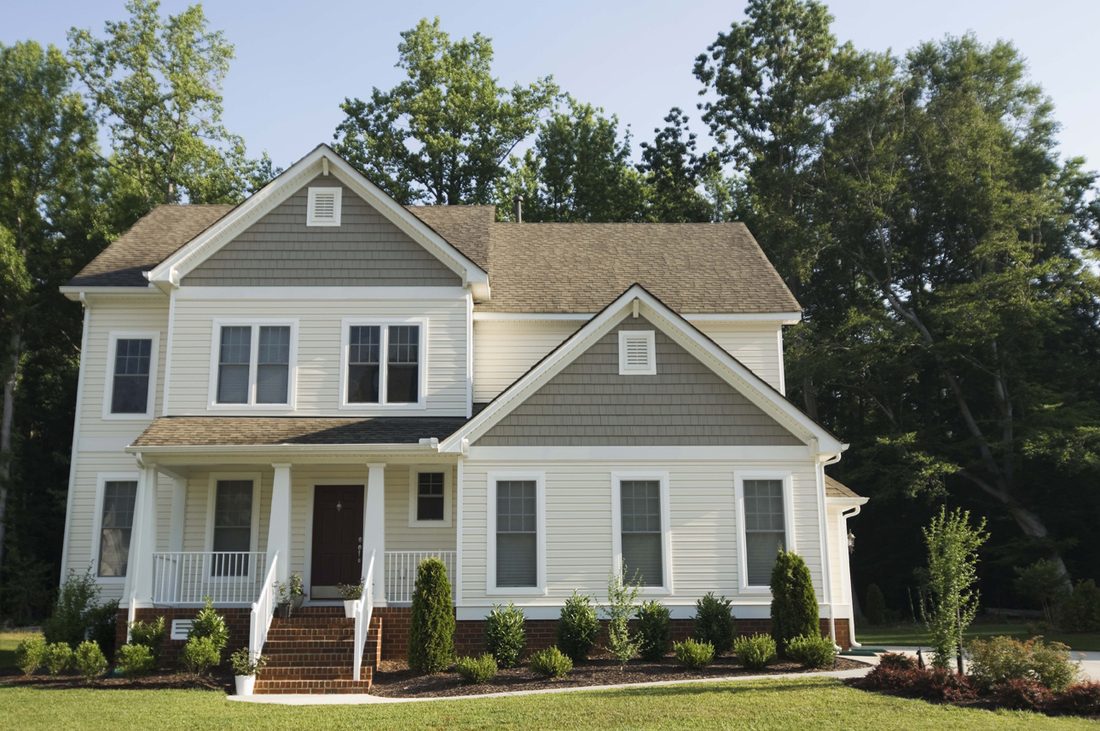
What Chesapeake homes tend to have, and what we check
- Clay soils and foundation movement. Expansive clay swells and shrinks with the seasons. We look at the foundation, the brick veneer, and door and window openings for signs of movement.
- Drainage and grading. Flat lots and a high water table mean water has nowhere to go. We check grading, gutters and downspouts, and any signs of standing water against the foundation.
- New construction defects. In the newer subdivisions we find the issues that show up in the first years: roof and flashing details, HVAC sizing and ductwork, and unsealed penetrations.
- Rural lots on well and septic. In Deep Creek, Hickory and the southern edge, some homes are not on city water and sewer. We note the well and septic systems and the components a buyer should plan to test.
- Crawl space moisture. Common across the city. We use a moisture meter and a thermal camera to find where the damp is and how far it has spread.
Neighborhoods we serve in Chesapeake
Great Bridge, Grassfield, Western Branch, Deep Creek, Hickory, Greenbrier, South Norfolk, Camelot, Etheridge, Riverwalk, and the rural parcels out toward the swamp. If your address is inside the city, we inspect it.
Add the services that fit your lot
A standard buyer's home inspection covers the visible systems. On Chesapeake lots, buyers often add sewer camera where mature trees sit over the line, mold sampling where a crawl space stays damp, and a termite and moisture inspection through our partner Pest Heroes, since the wet clay here is friendly to subterranean termites. Sellers can start with a pre-listing inspection.