

Home  /  Resources  /  Resources

Client Resources

Embrace the Future: How Technology is Revolutionizing Homeownership

Congratulations on your new home! Modern technology has made homeownership more convenient, efficient, and connected than ever before.

Embrace the Future: How Technology is Revolutionizing Homeownership

Congratulations on your new home! As you settle into your new abode, you'll find that modern technology has made homeownership more convenient and efficient than ever before. In this blog post, we'll explore the exciting world of technological advancements that can simplify your life and enhance your home experience. From smart home devices to energy-saving technologies, here's how you can embrace the future of homeownership.

1. Smart Home Devices

Smart Thermostats: Start by optimizing your home's energy usage with a smart thermostat. These devices learn your heating and cooling preferences and adjust settings accordingly, saving you money on energy bills.

Smart Lighting: With smart lighting systems, you can control your home's lighting remotely through a smartphone app or voice commands. Set the mood, save energy, and enhance security by scheduling lights to turn on and off when you're away.

Smart Locks: Ditch the traditional keys and opt for a smart lock. You can grant access to family members and guests remotely, receive notifications when someone enters your home, and even lock or unlock your door with your smartphone.

Video Doorbells: Keep an eye on your front door with a video doorbell. See who's at your doorstep from your smartphone, no matter where you are. It's a great security feature and handy for receiving packages.

Smart Security Systems: Protect your home with a smart security system that includes cameras, motion detectors, and alarms. Many systems allow for remote monitoring and alerts, giving you peace of mind while you're away.

2. Home Automation

Voice Assistants: Smart speakers like Amazon Alexa and Google Home can control various devices in your home. From setting timers to playing music to answering questions, they're your virtual assistants.

Smart Appliances: Invest in smart appliances like refrigerators, ovens, and washing machines that can be controlled remotely. Some even have features like inventory tracking and recipe suggestions.

Automated Window Treatments: Programmable window treatments can regulate natural light and temperature in your home, helping you save on energy costs and creating a comfortable living environment.

Smart Irrigation Systems: Keep your lawn and garden green with a smart irrigation system that adjusts watering schedules based on weather forecasts, reducing water waste.

3. Energy-Saving Technologies

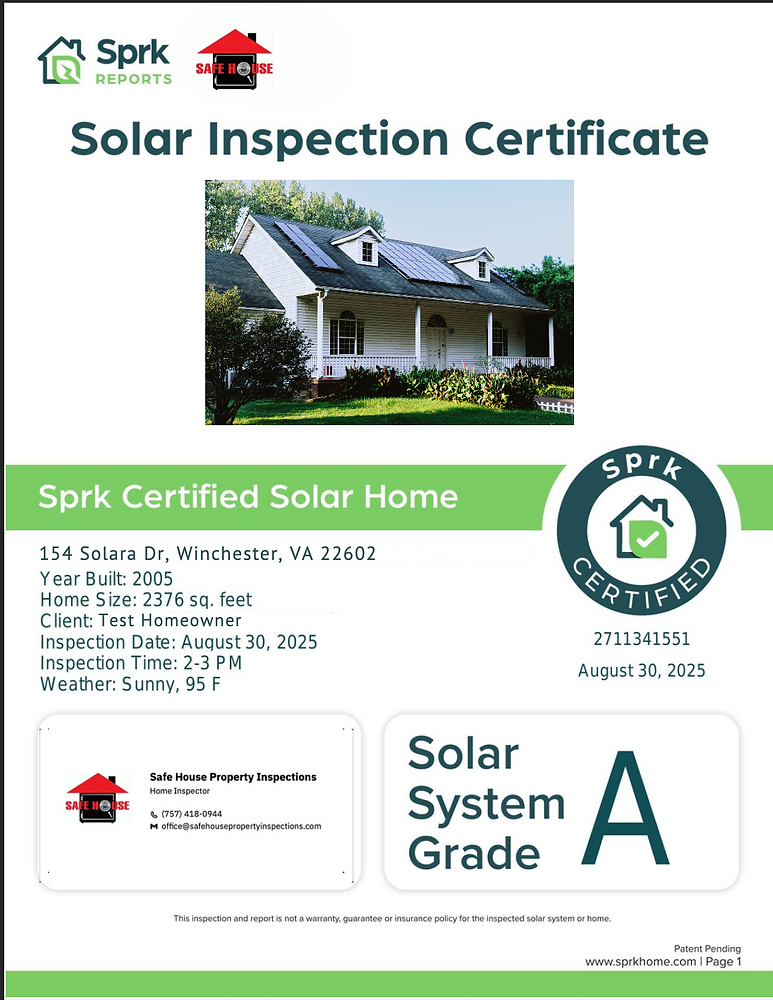
Solar Panels: Consider installing solar panels on your roof to harness clean energy from the sun. Over time, this can significantly reduce your electricity bills and decrease your carbon footprint.

Energy-Efficient Appliances: When purchasing new appliances, look for the ENERGY STAR label. These products are designed to be more energy-efficient, saving you money while benefiting the environment.

Home Energy Monitoring: Track your energy consumption in real-time with home energy monitoring systems. They provide insights into your usage patterns, helping you identify opportunities for savings.

Smart Thermostats (Again!): Smart thermostats not only make your life more convenient but also contribute to energy savings. They can learn your preferences and optimize your HVAC system's efficiency.

By embracing these technological advancements, you'll not only make your life as a new homeowner more convenient but also take significant steps toward a more sustainable and energy-efficient household. While the initial investment may seem daunting, the long-term savings and added convenience are well worth it. Plus, the peace of mind that comes with enhanced security features is priceless. Welcome to the future of homeownership!

Troy Pappas, Founder and Owner, Safe House Property Inspections

About the author

Troy Pappas

Troy Pappas is the founder and owner of Safe House Property Inspections, which he started in 2008. He holds more than 40 specialized certifications from InterNACHI with more than 1,400 credit hours of training, and he is a United States Marine Corps veteran.

More about Troy Pappas

Buying or selling in Hampton Roads?

Two inspectors on every inspection, and the report emailed 20 to 30 minutes after.
More from the blog

Moisture and Your Foundation: What Chesapeake Homebuyers Need to Know

Moisture and Your Foundation: What Chesapeake Homebuyers Need to Know

Moisture is one of the most common issues affecting homes in Chesapeake and the surrounding Hampton Roads area. Because the region experiences high humidity levels and frequent rainfall, moisture can accumulate around foundations and crawl spaces if drainage and ventilation are not properly managed.During home inspections, moisture related concerns are often evaluated carefully because they can contribute to structural problems, mold growth, and long term damage if not addressed.Why Moisture Pro

Mar 6
Common Electrical Issues We Find in Older Norfolk and Portsmouth Homes

Common Electrical Issues We Find in Older Norfolk and Portsmouth Homes

Many homes in Norfolk and Portsmouth were built decades ago, and older electrical systems may not always meet modern safety standards. During home inspections throughout Hampton Roads, inspectors frequently discover electrical issues that could pose safety risks or require upgrades.Understanding the most common electrical problems in older homes helps buyers make informed decisions and plan for necessary improvements.Outdated Electrical PanelsOlder homes may contain electrical panels that are no

Mar 6
How to Read Your Home Inspection Report: A Plain English Guide

How to Read Your Home Inspection Report: A Plain English Guide

After a home inspection is completed, buyers receive a detailed inspection report that summarizes the condition of the property. For many first time homebuyers, this report can feel overwhelming because it contains technical observations, photographs, and recommendations.Understanding how to read your inspection report is important because it helps you identify which issues require immediate attention and which ones are simply routine maintenance. A clear understanding of the report can also hel

Mar 6
5 Critical Questions to Ask Your Home Inspector Before You Hire Them

5 Critical Questions to Ask Your Home Inspector Before You Hire Them

Buying a home in Hampton Roads is a major investment, and choosing the right home inspector is one of the most important steps in protecting that investment. A qualified inspector can identify structural issues, safety hazards, and costly problems that may not be visible during a typical showing.Before hiring a home inspector in Virginia Beach, Norfolk, Chesapeake, or surrounding Hampton Roads communities, homebuyers should ask several key questions. These questions help ensure the inspector has

Mar 6
The Ultimate Guide to Home Inspections for Hampton Roads Homebuyers

The Ultimate Guide to Home Inspections for Hampton Roads Homebuyers

Buying a home in Hampton Roads is one of the most important financial decisions most people will ever make. Whether you are purchasing in Virginia Beach, Norfolk, Chesapeake, Portsmouth, Suffolk, Hampton, or Newport News, a professional home inspection is one of the most important steps in the entire process.A professional buyer home inspection helps identify hidden problems before closing, giving buyers the information they need to make confident decisions. Coastal Virginia homes face unique ch

Mar 5
Your Ultimate Guide to Solar Panel Inspections in Virginia Beach

Your Ultimate Guide to Solar Panel Inspections in Virginia Beach

Virginia Beach homeowners: Ensure your solar panels run safely and efficiently with a professional inspection for peak performance...

Sep 14, 2025